

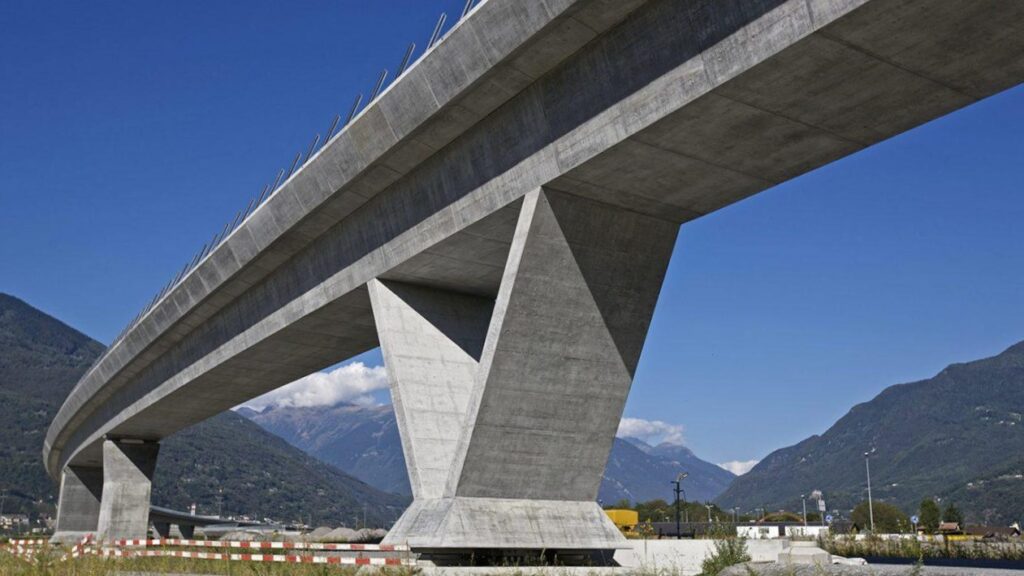
When designing a concrete mix, attention is often focused on the immediate cost per cubic meter produced. This is an understandable approach: the market is competitive, margins are increasingly tight, and price pressure affects every link in the supply chain. However, evaluating a mix exclusively based on its initial cost can lead to decisions that are technically and economically disadvantageous. The real difference between an economical concrete and a truly efficient concrete emerges in the years following its placement, when durability, maintenance, and the useful life of the structure come into play.
At EKAN, we address this issue daily by working with batching plants, precast manufacturers, construction companies, and design firms that want to optimize the relationship between initial cost and long-term performance. Field experience demonstrates how the savings obtained by eliminating or reducing certain mix components can transform, over time, into a significantly higher cost.
The durability of concrete does not depend on a single element, but on the balance of the entire system. A low water/cement ratio, proper particle size distribution of aggregates, adequate cement content, the use of mineral additions when necessary, and above all the selection of the most suitable additive constitute closely interconnected factors. Indiscriminately reducing any of these elements can compromise the compactness of the cement matrix and increase permeability to fluids and aggressive agents.
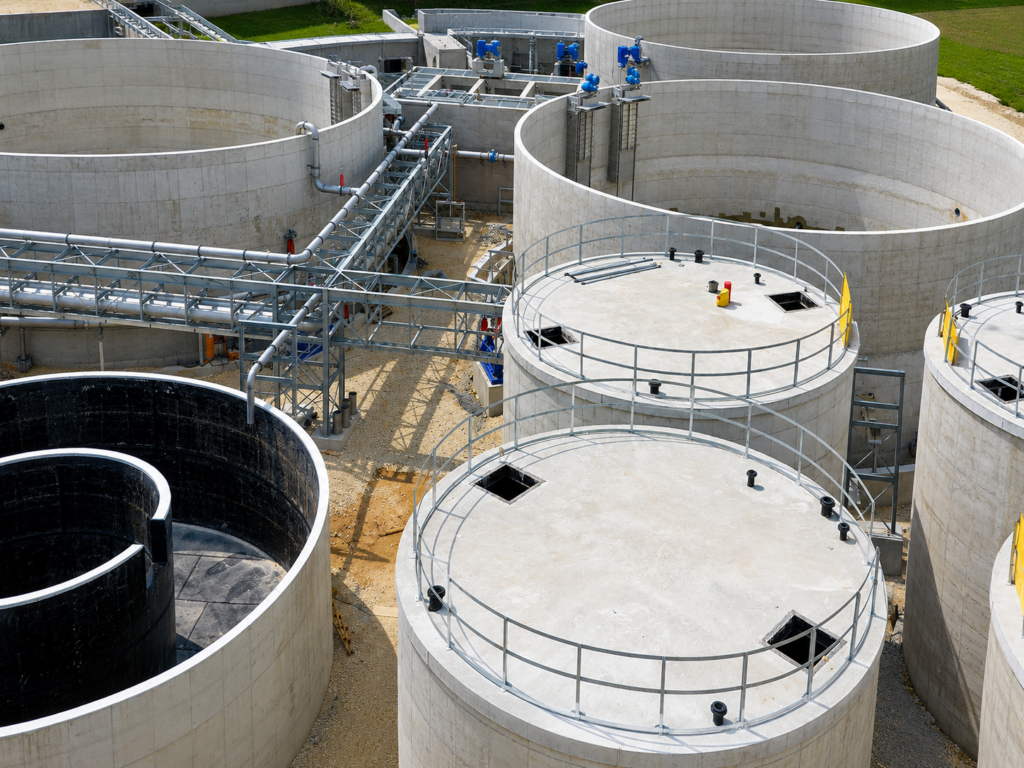

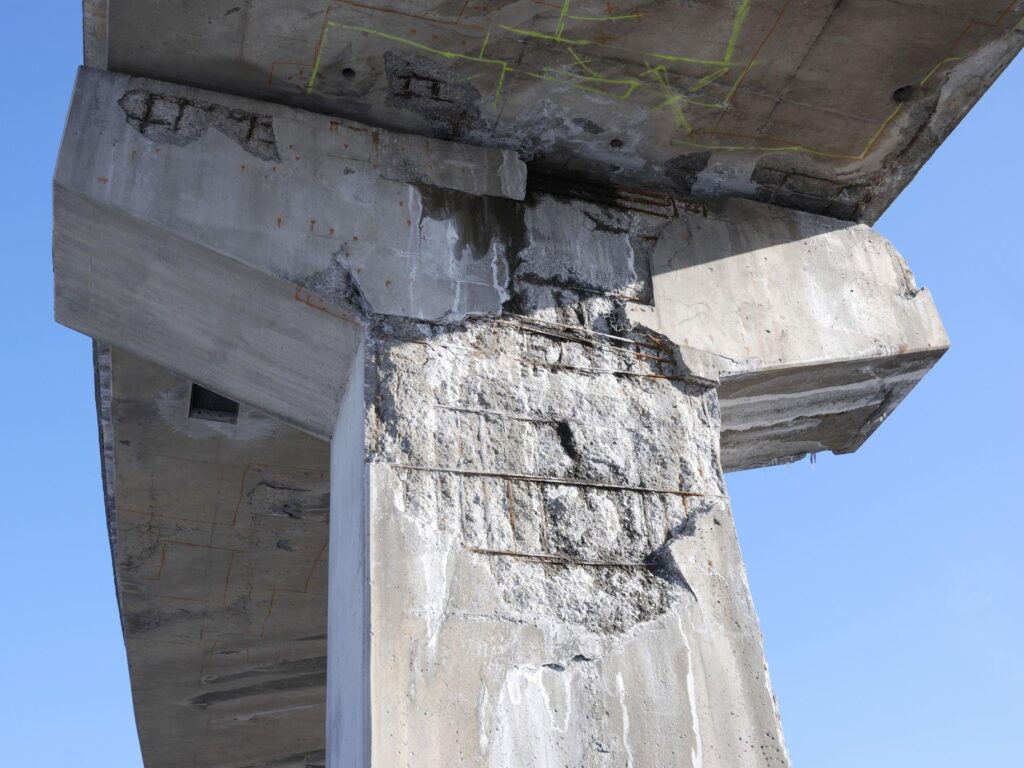
Permeability is one of the most underestimated aspects. Concrete that apparently meets the required mechanical strength may have a more open capillary network that facilitates the penetration of water, chlorides, sulfates, carbon dioxide, and other aggressive agents. The consequences are not immediately visible, but become evident over the years through phenomena such as carbonation, reinforcement corrosion, freeze-thaw cycles, efflorescence, concrete cover spalling, and progressive loss of structural performance.
Another common mistake is to consider additives simply as a cost to be reduced. In reality, a modern superplasticizer, properly selected based on the cement used and production conditions, allows for a reduction in the water/cement ratio while maintaining or improving workability. This means obtaining a more compact concrete, more resistant to external agents and more stable over time, without necessarily increasing the cement content. In many cases, therefore, the additive does not represent an additional cost, but a tool for technical and economic optimization.
The same principle applies to all technologies designed to improve concrete performance: air-entraining admixtures for structures subject to freezing, viscosity-modifying admixtures for self-compacting concrete, retarders for hot-weather casting, accelerators for industrial production, integral waterproofing admixtures for hydraulic or underground structures. Each formulation is designed to solve a specific problem; eliminating it to reduce the initial cost often means transferring that cost to future maintenance.
The economic aspect becomes even more evident when considering the so-called “life cycle cost” of the structure. The difference of a few euros per cubic meter in concrete production is generally negligible compared to the costs that can result from restoration work, plant downtime, partial demolitions, or reduction in the useful life of the structure. A properly designed mix, on the other hand, allows for limited maintenance interventions, preserved performance over time, and increased overall reliability of the structure.
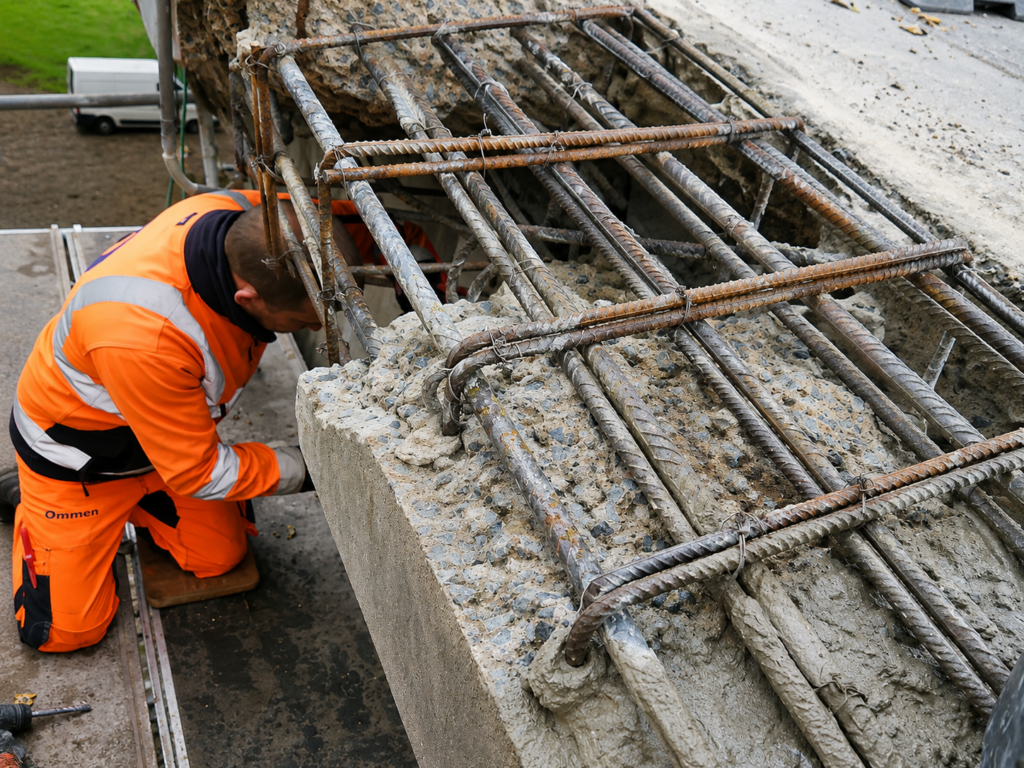
In recent years, sustainability has also taken on a central role in the evaluation of durability. Concrete that lasts longer is in fact a more sustainable material, because it reduces the consumption of new raw materials, limits repair interventions, and decreases emissions associated with extraordinary maintenance. Durability therefore represents not only a technical requirement, but also a fundamental parameter in the design of truly sustainable infrastructure.
For this reason, the design of a mix should never be limited to the search for the lowest cost. Instead, it is necessary to identify the best balance between performance, workability, strength, durability, and sustainability, considering the actual operating conditions of the structure and its expected useful life.
This is precisely the approach that we at EKAN adopt every day with our clients. The goal is not to propose an additional additive, but to develop truly optimized formulations, capable of preventing future issues and ensuring consistent performance over time. Because true savings do not come from the least expensive cubic meter, but from concrete that continues to perform its function for decades without requiring extraordinary interventions.