


In recent years, concrete has undergone a silent but profound transformation. While until recently mix design primarily revolved around the choice of cement and the water/cement ratio, today mixture design has become a much more complex exercise, in which every component contributes to determining the performance, durability, sustainability, and economy of the conglomerate. Silica, limestone fillers, and SCMs (Supplementary Cementitious Materials) are changing the very way modern concrete is conceived, pushing designers, producers, and batching plants toward increasingly advanced formulations.
At EKAN, we observe this evolution daily. Every new material introduced into the mixture offers significant opportunities but simultaneously modifies the chemical and rheological balance of the system. For this reason, the additive can no longer be considered a simple “corrective” component: today it must be designed to work in perfect synergy with all the ingredients present in the mix.
SCMs include materials such as fly ash, ground granulated blast-furnace slag, silica fume, natural and artificial pozzolans, metakaolin and, more recently, calcined clays. Their adoption has been driven by the need to reduce the environmental footprint of Portland cement, improve concrete durability, and optimize long-term mechanical performance. In parallel, limestone fillers have taken on an increasingly important role in mixture design thanks to their ability to improve particle size distribution, increase matrix compactness, and enhance workability.
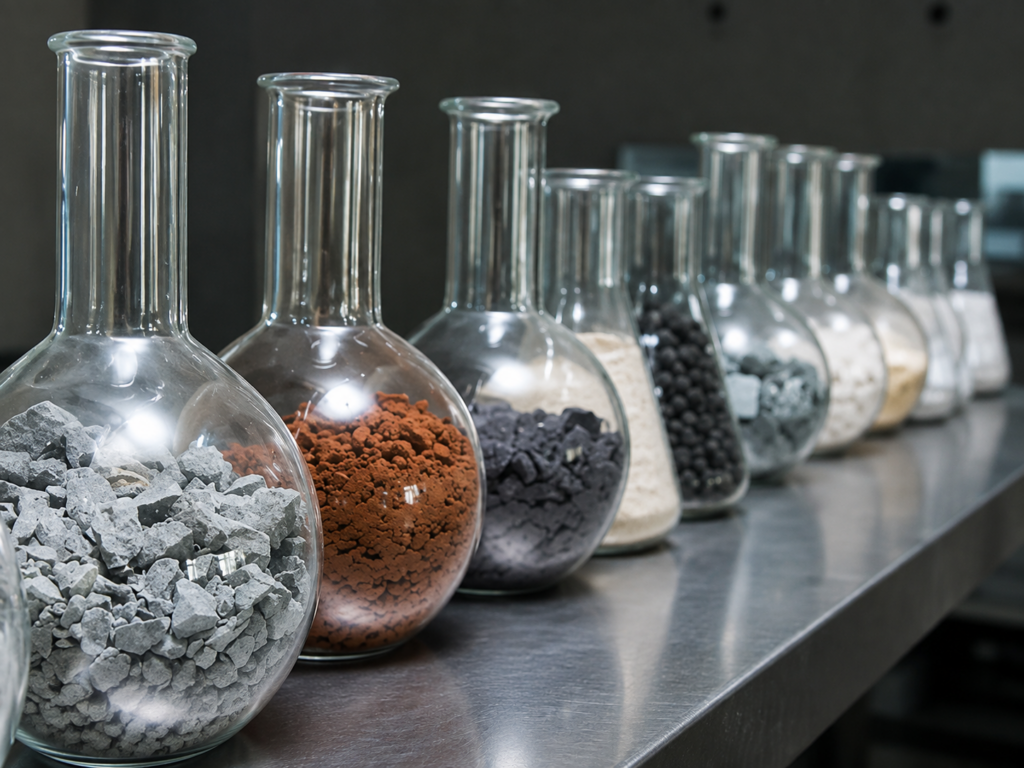
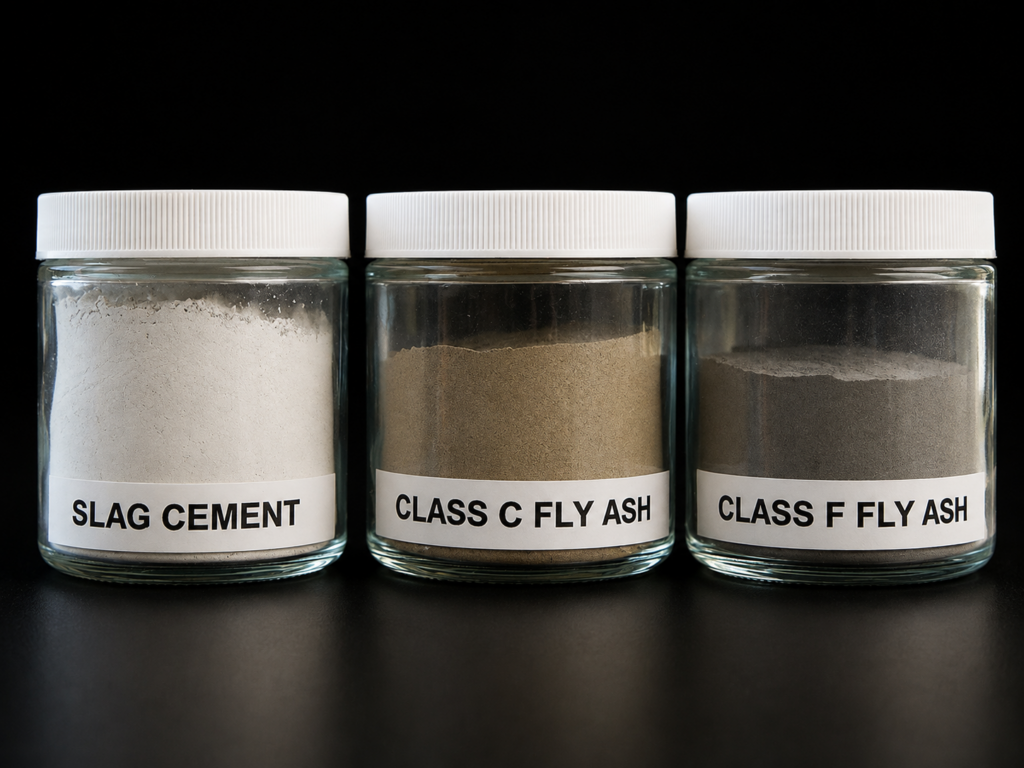
This evolution, however, makes concrete behavior much less predictable than in the past. Each SCM possesses different chemical, mineralogical, and physical characteristics. The specific surface area varies, the particle shape changes, the hydration rate shifts, and the interactions with cement and additives are modified. Two apparently identical mixtures can therefore behave in completely different ways simply by replacing one fly ash with another from a different plant or by modifying the percentage of limestone filler.
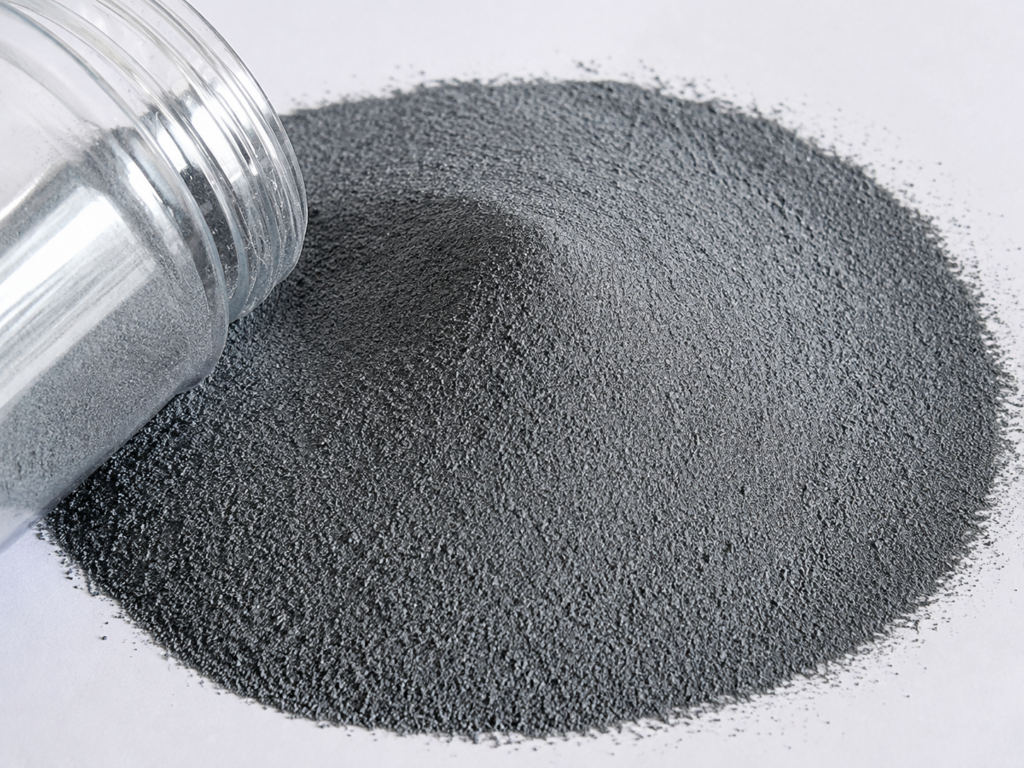
Silica fume also represents an emblematic case. Its extremely fine particles allow for very compact and resistant matrices, significantly reducing concrete permeability. At the same time, however, they increase water demand and profoundly modify the rheology of the mixture. Without proper design of the additive system, there is a risk of obtaining mixtures that are difficult to work with, featuring high viscosity or rapid loss of consistency.
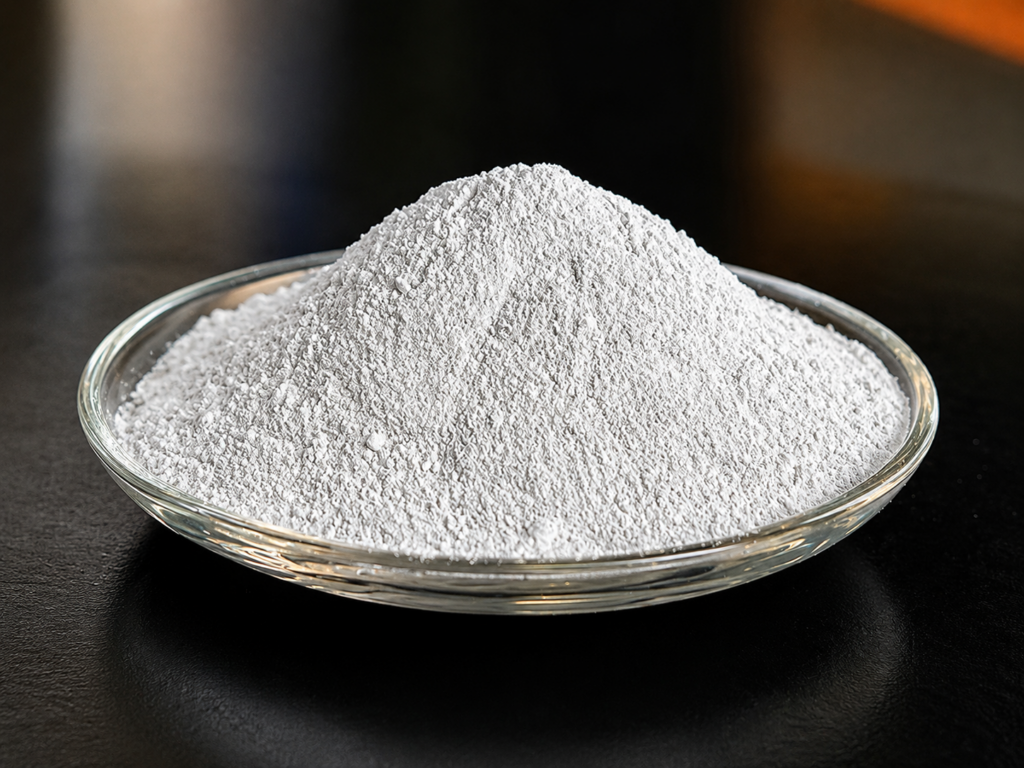
Limestone fillers, often considered simple filling materials, actually play a much more sophisticated role. They improve particle size distribution, promote the nucleation of hydration products, and allow for the optimization of cement content without compromising the required performance. Their effectiveness, however, depends on the fineness of grinding, mineralogical purity, and their compatibility with the cement used.

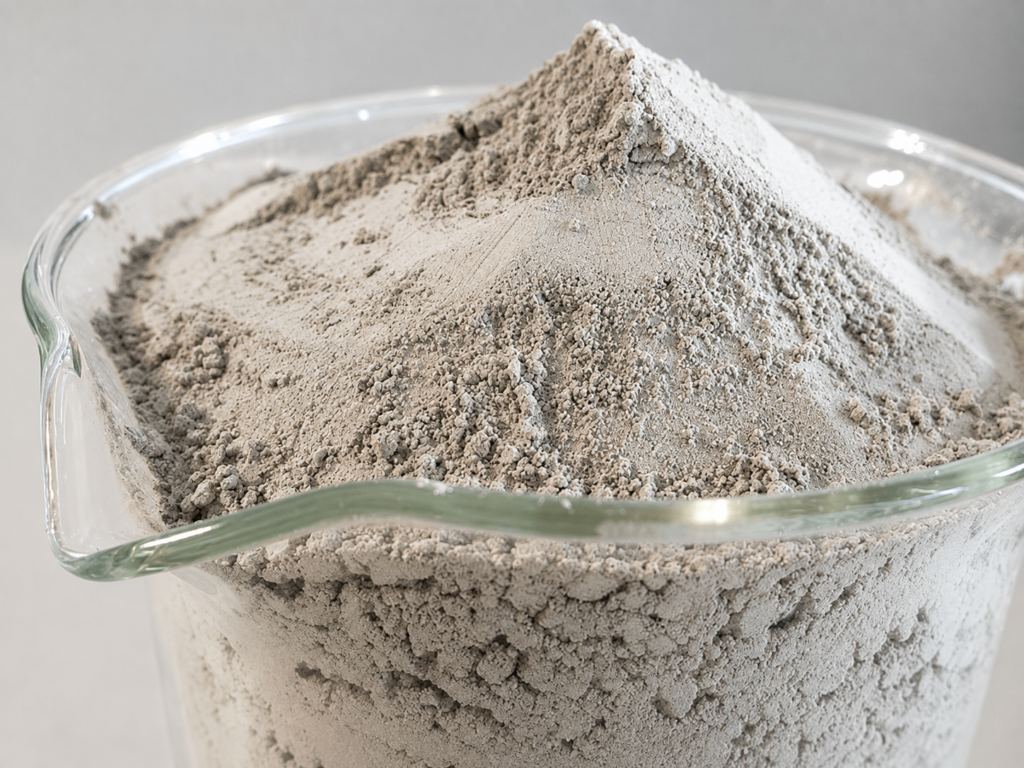
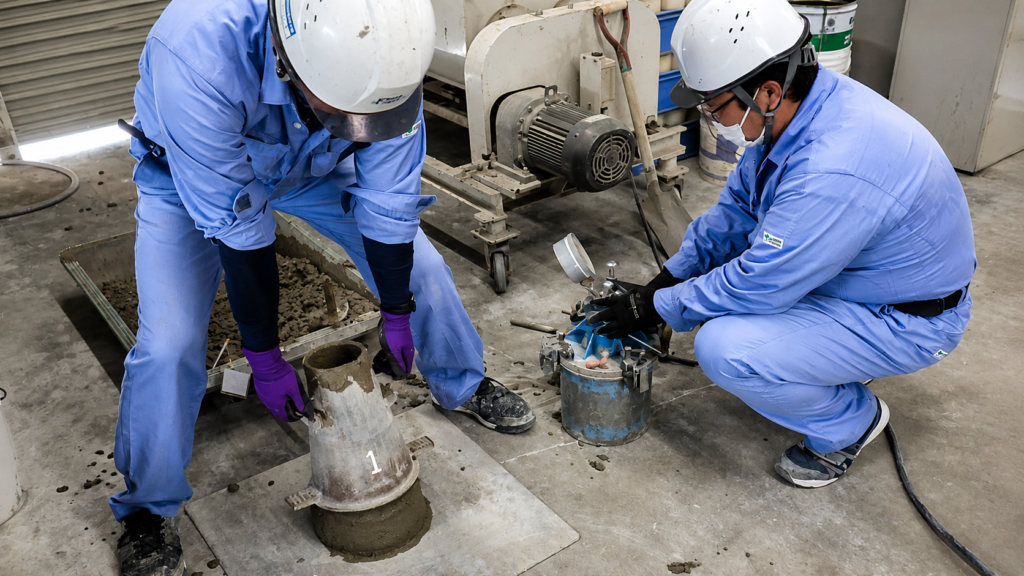
For concrete producers, all this means that mix design can no longer be developed using standard recipes. Every change in the composition of raw materials requires laboratory verification, workability checks, evaluations of long-term stability, and tests on mechanical performance and durability. The goal is not only to reach a certain strength class but to obtain a stable, repeatable mixture that is easily producible under any operating conditions.
In this scenario, additives take on even greater importance. Their task is not simply to increase fluidity or reduce mixing water, but to manage the interaction between cement, SCMs, fillers, aggregates, and water, maintaining consistent concrete behavior even when raw material characteristics change. It is an extremely delicate balancing act that requires chemical expertise, field experience, and continuous application testing.
This is precisely the most significant change the sector is experiencing. Modern concrete is no longer born from the simple sum of its components, but from the ability to make them work together as an integrated system. Every material influences the others, and every design choice produces effects that are reflected in production, installation, and the durability of the finished work.